|
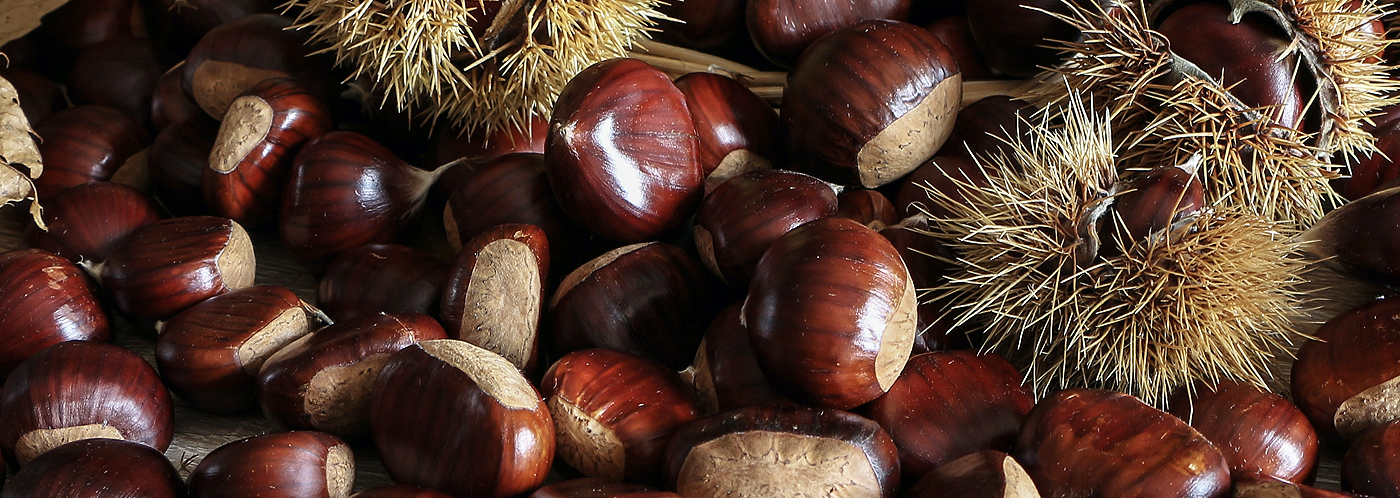
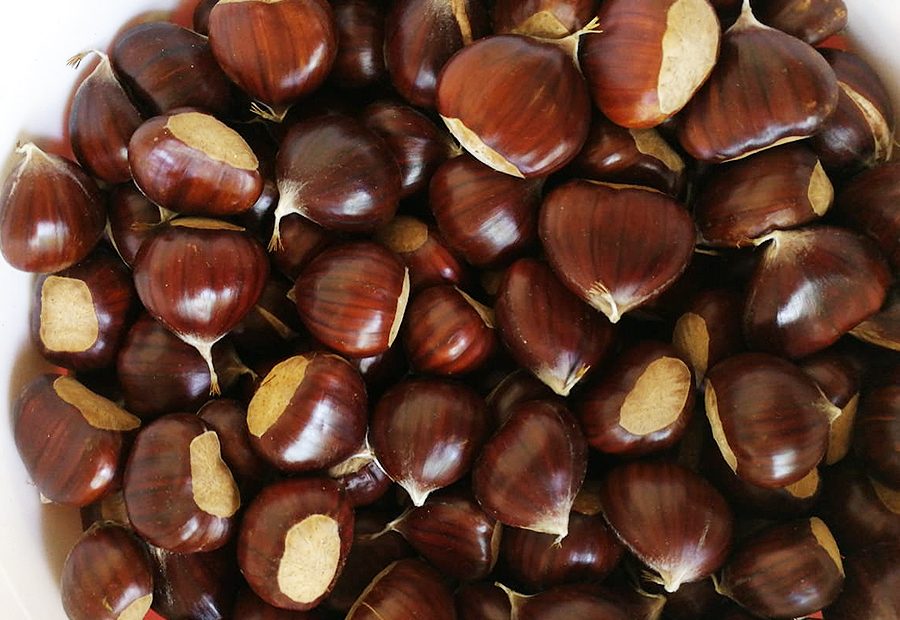
Because chestnut is the "medicine" of winter. They are eaten grilled or boiled, used in confectionery and cooking,
while in some parts of Asia they are even made into flour. Characterized by the super fruit of winter: They become spoon
sweet, creamy, while you can dip them in melted chocolate or add them to the filling of the Christmas turkey.
They contain minerals and vitamins and are a very good source of protein (which, like the egg, is easily absorbed by the body),
with reduced percentages of fat. Fresh chestnuts contain 50% water, 45% carbohydrates and only 5% vegetable oil, unlike
other fruits. Chestnuts are rich in carbohydrates (45.5 g / 100 g) and fiber (8.1 g / 100 g), which makes them a low glycemic
index food, that is they satiate us easily, maintaining stable blood glucose levels. Chestnuts also contain calcium, magnesium,
phosphorus, iron, sodium and potassium. They are also known for their contribution to the proper functioning of the intestine,
as a cereal substitute. In addition, chestnuts contain vitamins B1 and B2, as well as vitamin C and folic acid.
|




 PRODUCTS